

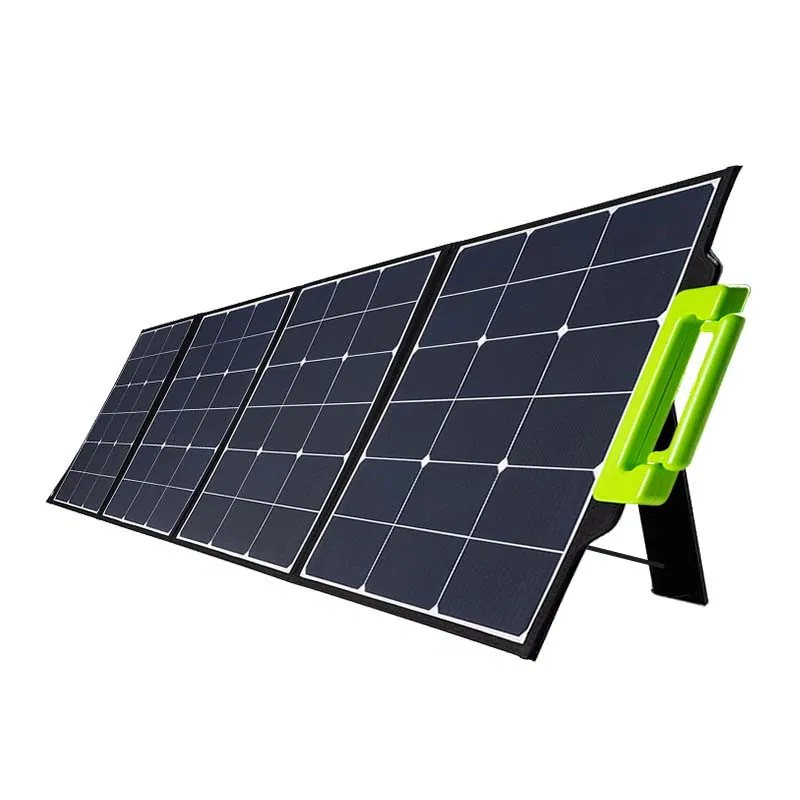
Solar panels, also known as photovoltaic (PV) panels, are devices that convert sunlight into electricity through the photovoltaic effect. They consist of multiple solar cells made from semiconductor materials, typically silicon, which absorb photons from sunlight and generate electric current. Here’s a concise description:
- Structure: Solar panels are composed of interconnected solar cells encased in a protective glass layer, backed by a durable frame, usually aluminium, and sealed to withstand weather conditions.
- Function: When sunlight hits the cells, it excites electrons, creating a flow of direct current (DC) electricity, which is then converted to alternating current (AC) via an inverter for household or grid use.
- Types: Common types include monocrystalline (high efficiency, single-crystal silicon), polycrystalline (lower cost, multi-crystal silicon), and thin-film (flexible, less efficient).
- Efficiency: Typically ranges from 15-22%, with monocrystalline panels offering the highest efficiency.
- Applications: Used in residential, commercial, and industrial settings for power generation, as well as in off-grid systems, solar farms, and portable devices.
- Benefits: Renewable energy source, reduces electricity bills, low maintenance, and eco-friendly with no emissions during operation.
- Lifespan: Usually 25-30 years with minimal performance degradation over time.
Solar panels are a cornerstone of sustainable energy, harnessing the sun’s abundant and free energy to power homes, businesses, and more.



Reviews
There are no reviews yet.